In this story
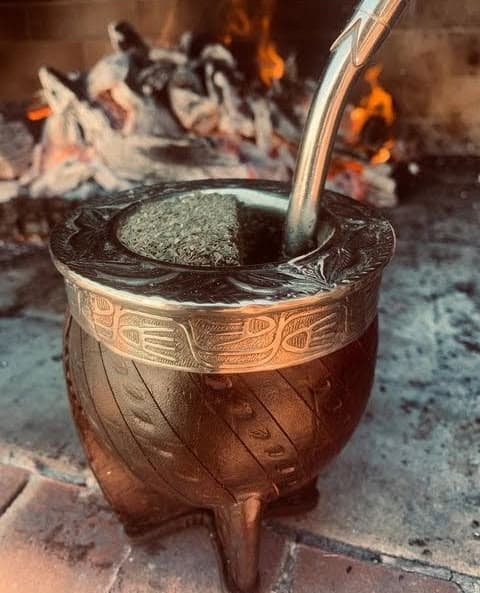
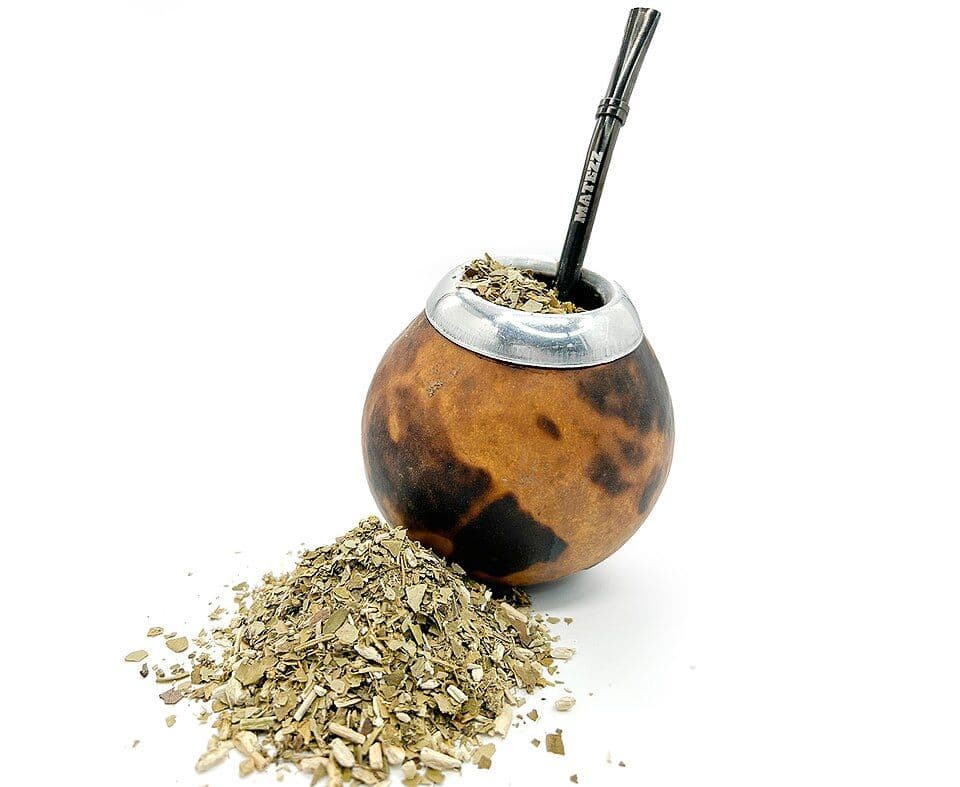
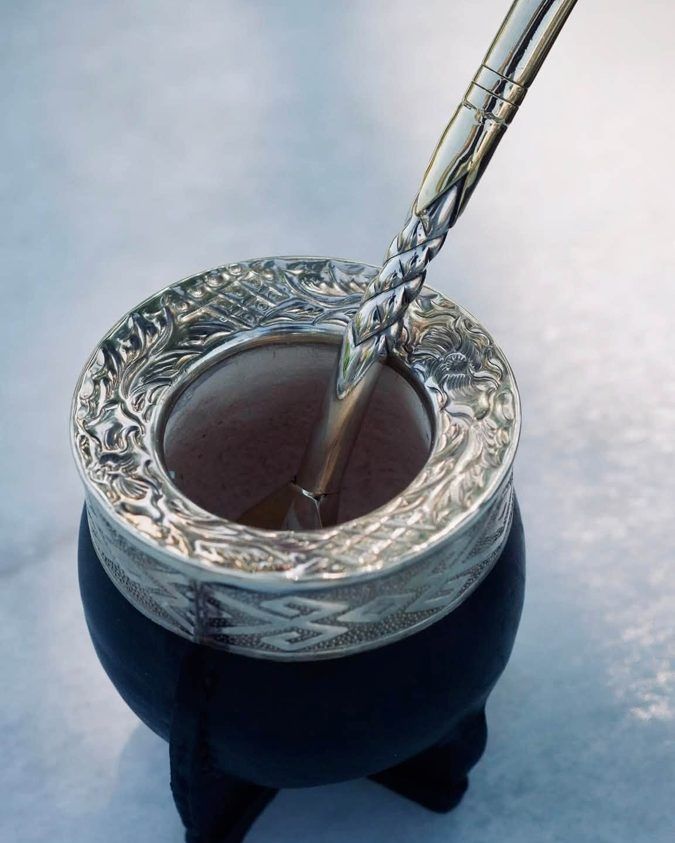
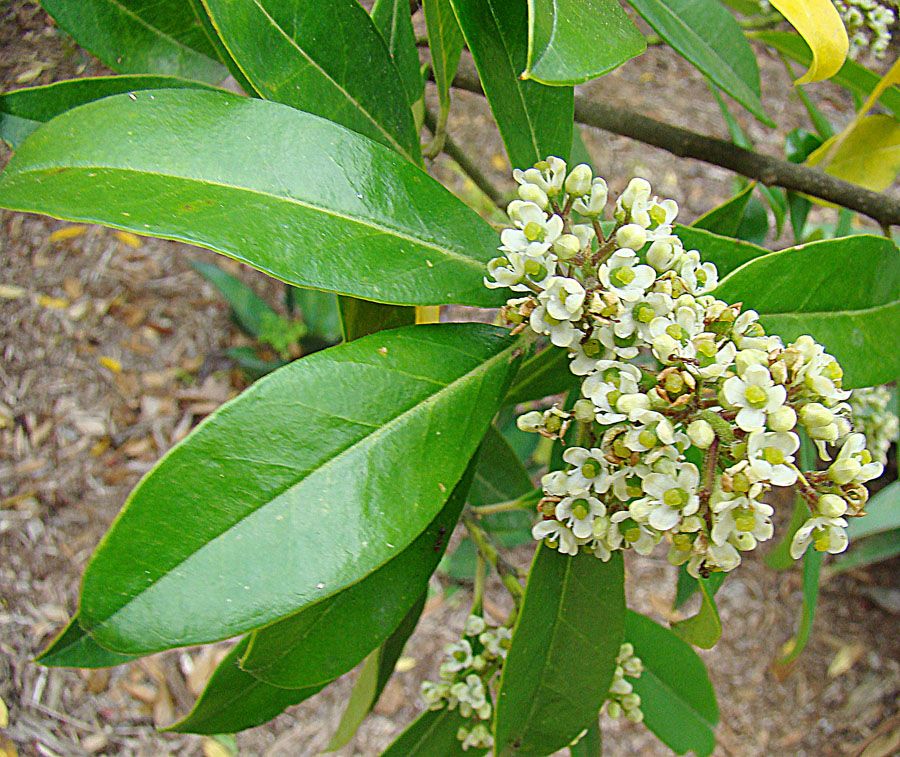
Yerba mate (pronounced "YER-bah MAH-tay") is a tea made from the leaves and young stems of Ilex paraguariensis, a tree that grows in the subtropical forests where Argentina, Paraguay, Uruguay and southern Brazil meet. The leaves are dried, aged and ground, then steeped in hot water in a dedicated cup called a gourd and sipped through a filtered straw called a bombilla. In South America, mate is as common as coffee is in Vietnam: people drink it every morning, take it to work and pass it around among friends.
Origins
The Indigenous Guaraní people drank these leaves long before Europeans arrived. In the 17th century, Jesuit missionaries began growing mate on plantations, and the drink spread across the Río de la Plata region. Today Argentina and Brazil grow the most, while Uruguay drinks the most per person.
Taste
Yerba mate has the deep bitterness of green leaves, a slight astringency, notes of dry grass and light smoke, and a sweet finish in the throat. How strong it tastes depends on:
- With or without stems: mate with stems (con palo, common in Argentina) is gentler and more balanced. Low-stem, finely ground mate (despalada, Uruguayan style) is stronger and more bitter.
- Ageing: leaves aged for a long time (for example 1–3 years) taste rounder and less harsh. Brazilian-style mate (chimarrão) uses fresh green leaves with a clear fresh-grass taste.
- Herbal or fruit blends: orange, mint, pineapple or guarana blends are easier for beginners.
Our article on Argentine, Uruguayan and Brazilian mate compares the three styles in detail.
Caffeine in yerba mate
Yerba mate contains natural caffeine, along with a small amount of theobromine (also found in cacao). One session usually lands between green tea and coffee, but the number varies a lot with the amount of leaves and how many times you refill. Many people find mate gives a steadier alertness with less jitteriness than coffee. Our article on yerba mate and coffee goes into more detail.
What you need to drink yerba mate
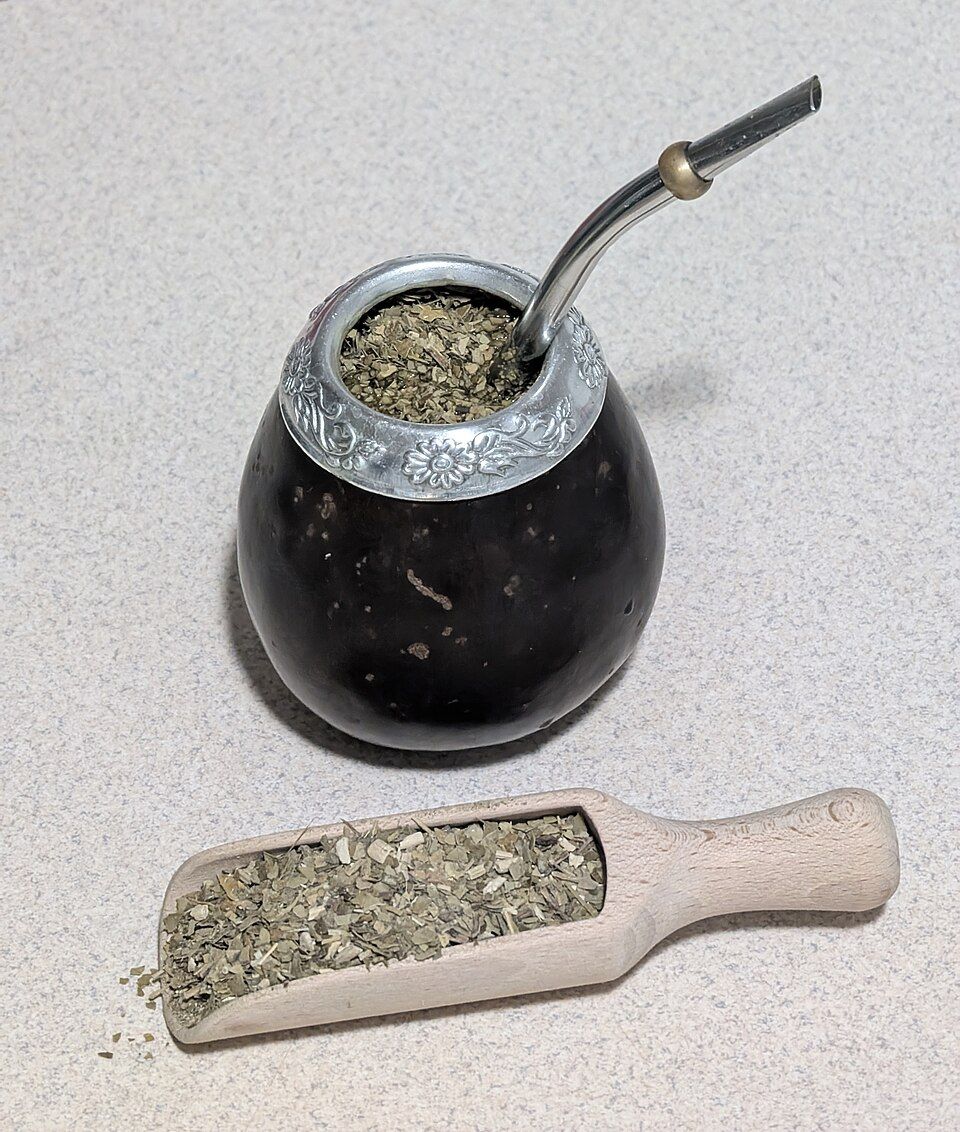
- Yerba mate: beginners should start with a small pack or a mild blend with stems.
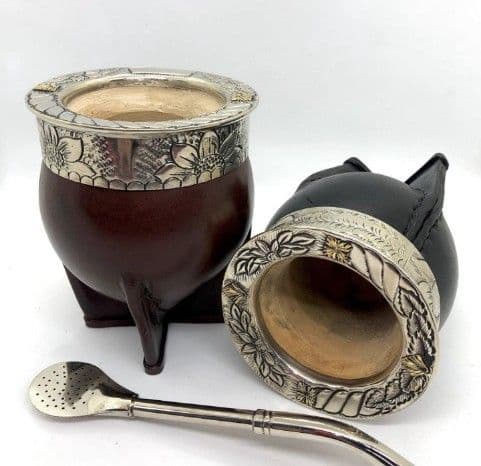
- A gourd: a traditional calabash, a wooden cup, or an insulated stainless steel cup that is easy to carry.
- A bombilla: a straw with a filter so you don't sip the leaves.
- Hot water at about 60–80°C, never boiling.
If you don't have the gear yet, brew it in a tea infuser or a filter bag and drink it like regular tea. The traditional South American method is covered in our guide on how to brew yerba mate.
Which one should you start with?
- To try many flavours before buying a big pack: the Taragui + CBSé 16-flavour sampler.
- For a traditional, easy-drinking taste: Playadito Traditional Argentina 500 g.
- To get tea, gourd and straw all at once: see our Combo Sets.
- All teas: the Yerba Mate category.
FAQ
Is yerba mate a green tea? No. Green tea comes from the tea plant (Camellia sinensis), while yerba mate is a different species from the holly family.
How long does a 500 g pack last? Each session uses about 30–50 g and can be refilled many times. If you drink it once a day, a pack lasts about two weeks.
When is the best time to drink it? In the morning or early afternoon. Avoid it close to bedtime because it contains caffeine.
Can I drink it cold? Yes. Cold mate is called tereré. It is very popular in Paraguay and suits Vietnam's hot weather.
Cover photo: Lexspion, CC BY-SA 4.0.